
4G vs. 5G for Business Internet: What Actually Changes
Marketing treats 5G as a straight upgrade over 4G, but for business connectivity the decision is more nuanced. LTE remains the coverage workhorse in most markets, while 5G — especially C-Band and mmWave — delivers the capacity and latency gains where it is deployed. The right answer depends on what your site can actually receive.
Coverage first, speed second
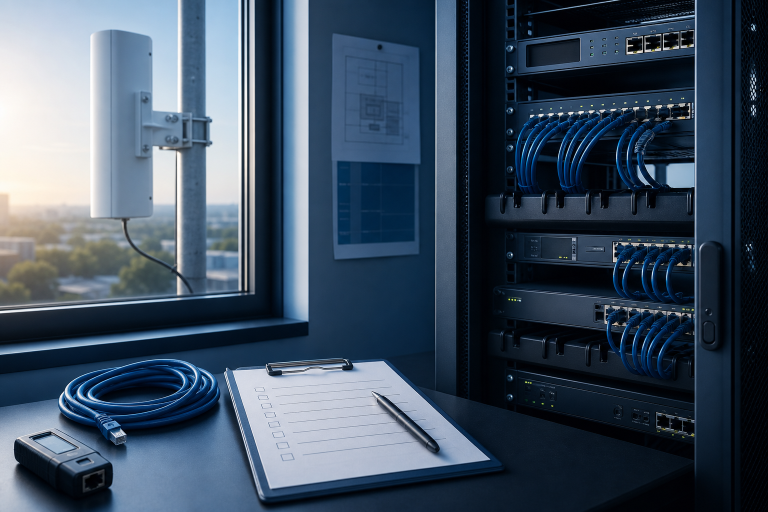
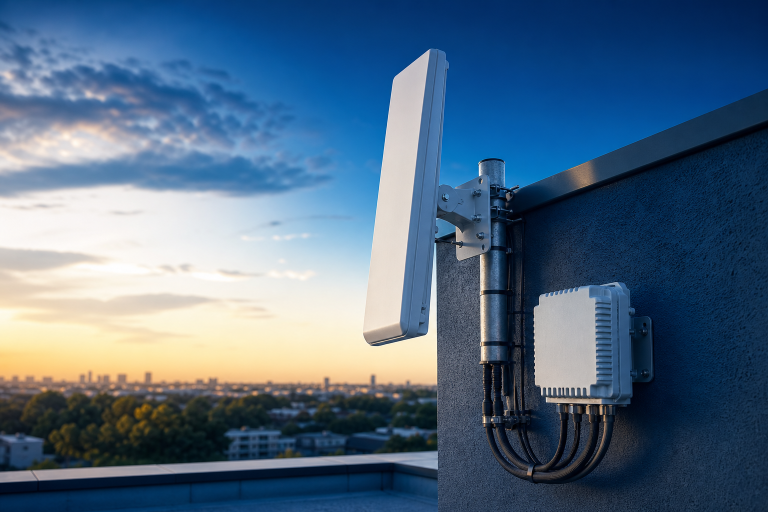
A gateway that supports 5G C-Band will happily fall back to LTE where mid-band coverage ends. Before committing to a plan tier, verify which bands are live at the installation address — not the city in general. Carrier coverage maps average over areas; a signal test at the mounting location is the only real answer.
Where 5G earns its keep
Sites moving large files, running cloud backups during business hours, or hosting many concurrent users benefit from 5G mid-band capacity. Point-of-sale, sensors, and light office traffic run comfortably on LTE. Paying for 5G service a site cannot receive buys nothing — the modem class matters less than the tower serving it.
Plan for the handoff
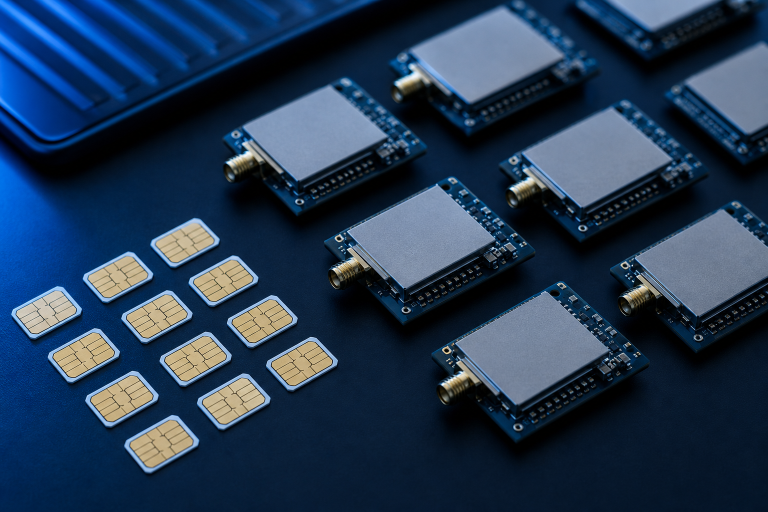
Choose hardware that supports both generations so a plan upgrade later is a SIM change, not a truck roll. Gateways like the Verizon Business Internet Gateway XC46BE handle LTE and 5G C-Band in one box. Questions on band support for your address? Email sales@rad-nexus.com.