
Private LTE and 5G: When Your Own Network Beats Carrier Service
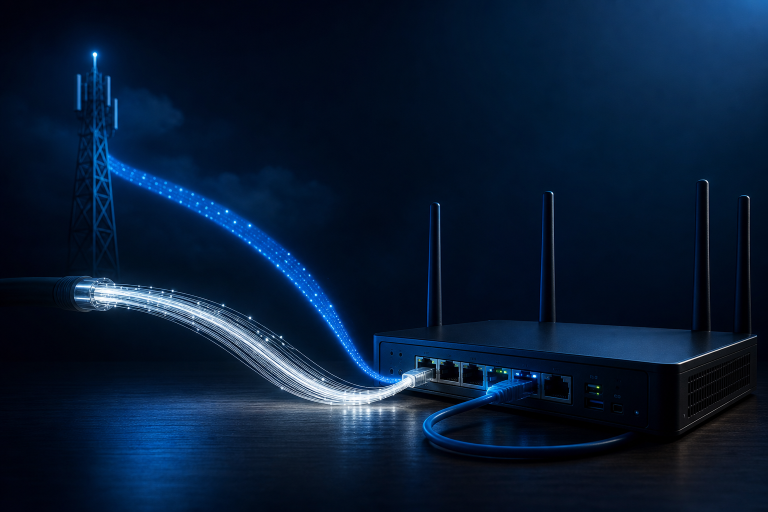
Private cellular networks — built on CBRS spectrum in the US — give organizations their own LTE or 5G coverage with SIM-based security and predictable capacity. They are not a replacement for carrier service everywhere, but for the right facility they outperform every alternative.
Where private cellular wins
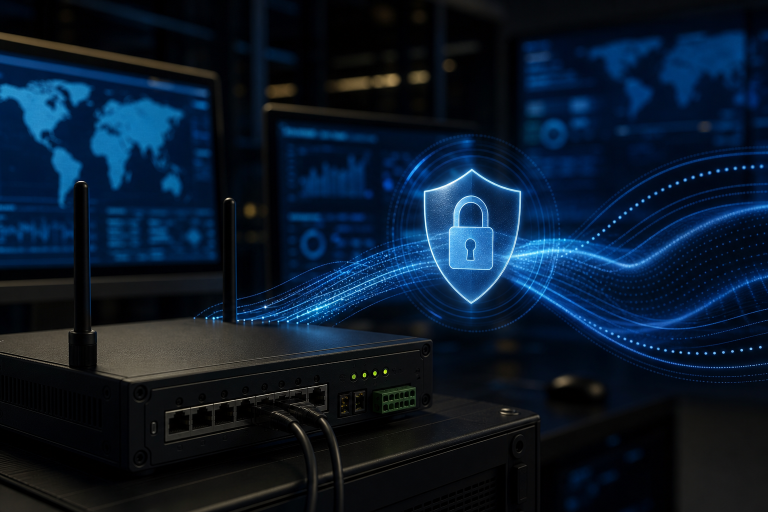
Large indoor-outdoor campuses, warehouses with metal racking, ports, and multifamily properties struggle with both carrier dead zones and unlicensed-band congestion. Private LTE covers large areas with fewer radios than unlicensed alternatives, and every device authenticates with a SIM — there is no shared passphrase to leak.
The realistic threshold
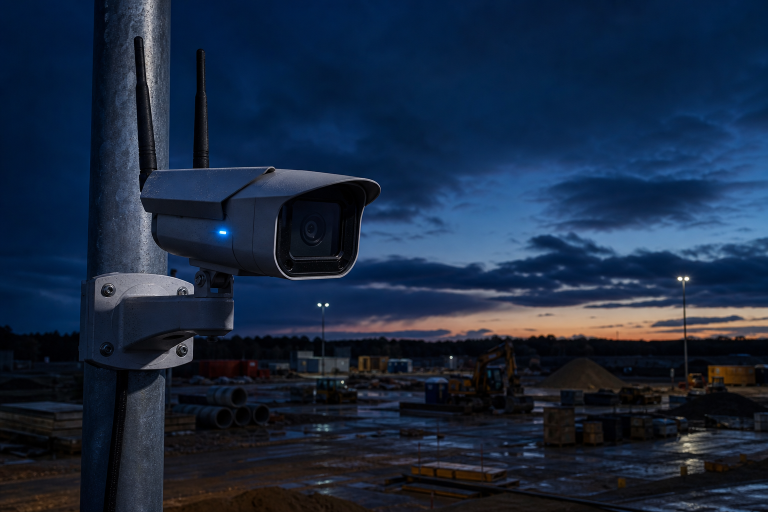
Private networks carry real costs: spectrum access, radios, a core (cloud or on-prem), and device SIMs. The economics typically work when you need wide-area coverage for many devices, mission-critical reliability, or mobility across a campus — forklifts, robots, handhelds, cameras — that roaming between access points handles poorly.
Start with a coverage study
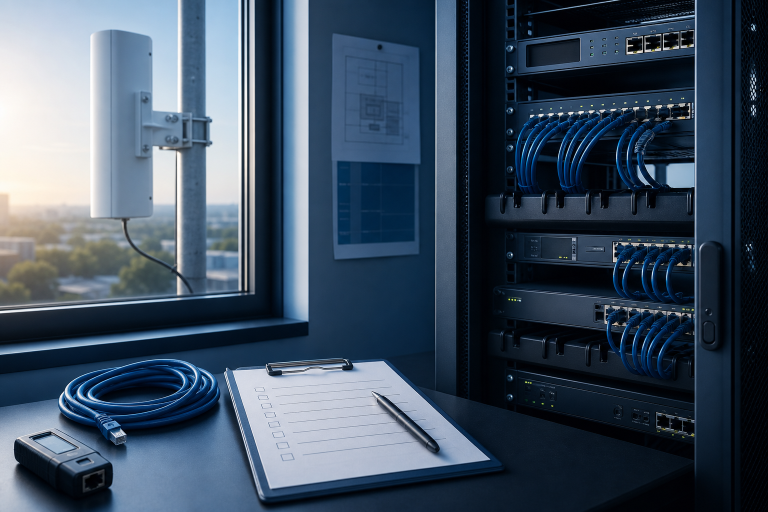
Every private deployment should start with propagation modeling and an on-site validation walk. Rad Nexus designs and deploys private LTE/5G end to end — reach out at sales@rad-nexus.com to scope a study.